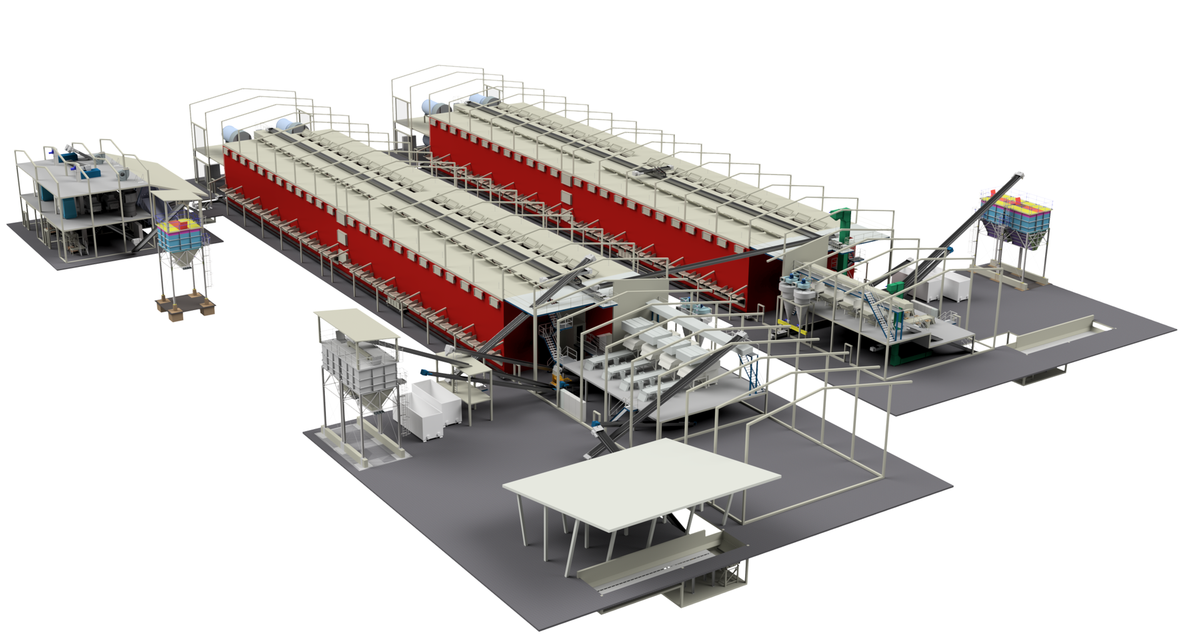
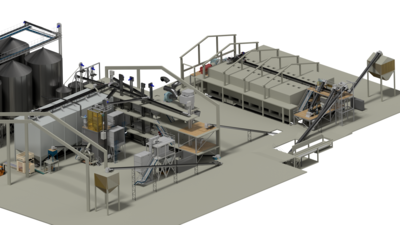
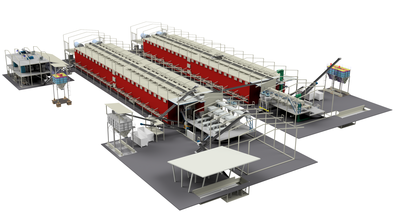
Ear corn processing plants are among the most demanding systems in seed processing. Within a short period of time, large harvest volumes must be received, conveyed gently, husked, dried, shelled, cleaned, sorted and prepared for further seed processing. Every process step has a direct impact on germination capacity, kernel quality, gentle product handling and economic efficiency.
We plan and realize complete solutions for seed corn – individually tailored to site, harvest logistics, capacity, building, energy supply and quality requirements. The precise interaction of all plant sections is essential. Corn ears and seed must be handled gently throughout the entire process, while drying, product flow, return routes, waste routes, operation and automation must function reliably at the same time.
Insights
The process chain begins with the intake of freshly harvested corn ears. Depending on the requirements, intake dosing units, walking floors, belt conveyors or project-specific intake systems can be used. The aim is a uniform product flow that continuously supplies the downstream plant sections and handles the sensitive corn ears as gently as possible.
The product is conveyed to husking via coordinated conveying technology. There, husks and corn silk are separated from the ears. The ears are then sorted: good ears are fed into the further process, incompletely husked ears are returned and husked again. Unsuitable or atypical ears are discharged separately.
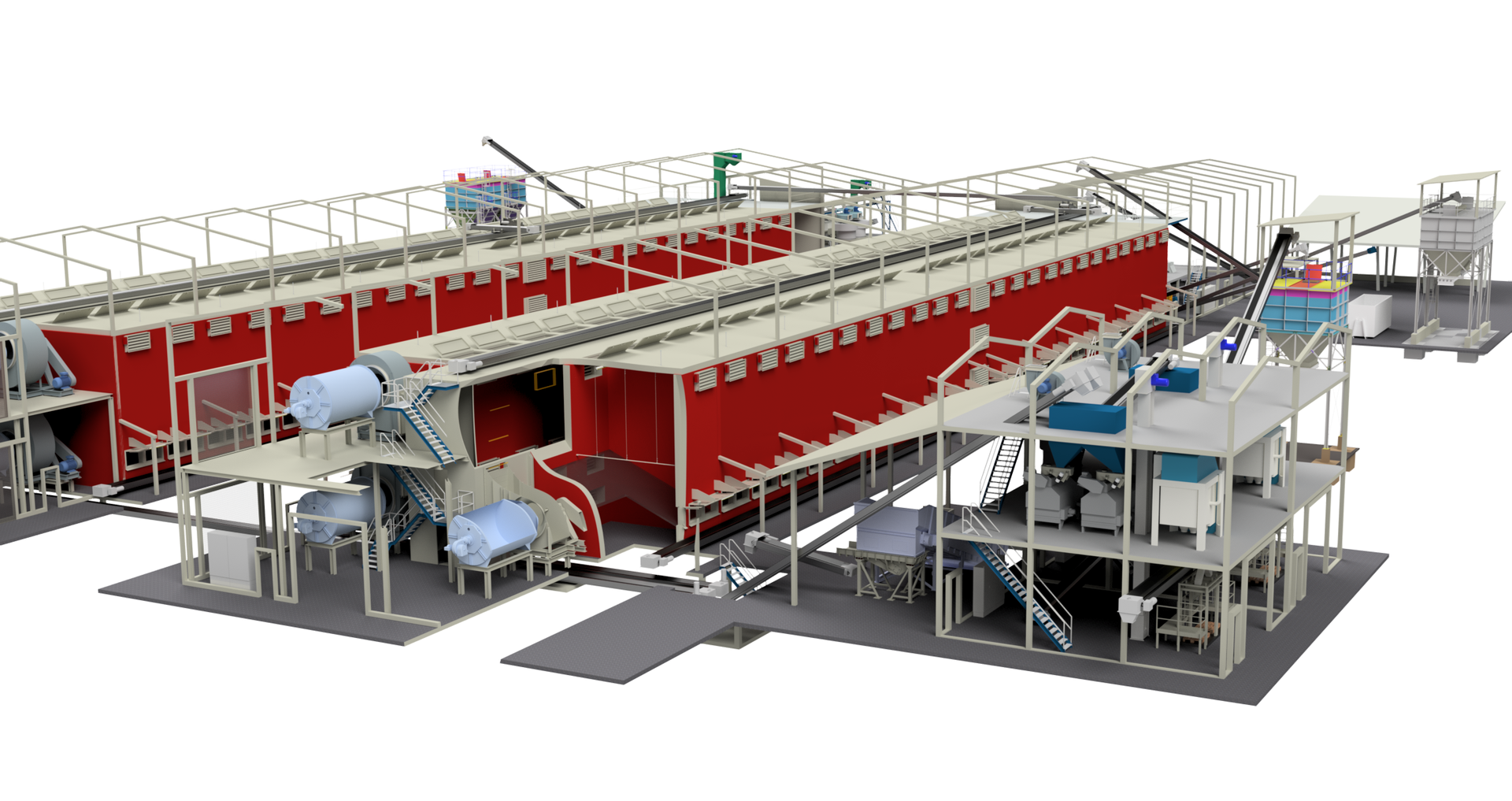
The husked corn ears are then transferred to the drying system. Modular drying bins are designed project-specifically according to harvest volume, daily capacity, bed depth, air volume, building geometry and required drying time. Depending on the plant concept, single-pass or double-pass drying systems are possible.
In single-pass systems, the drying air is directed specifically through individual bins or product layers. This allows bins to be controlled individually and adapted to different moisture levels or varieties. Double-pass concepts use the drying air across several product areas and can therefore improve energy utilization.
A particular focus is placed on the warm air supply. In addition to conventional oil or gas heating systems, alternative energy concepts can also be taken into account. These include, for example, biomass, existing waste heat, heat recovery, renewable heat sources or modern systems with dehumidifier heat pumps. This allows the drying technology to be adapted to energy availability, operating costs and sustainability targets.
After drying, the corn ears are gently discharged from the bins and conveyed to the shelling system. There, the kernels are separated from the cob. Cobs and side fractions are discharged separately, while the seed is fed into further processing. Depending on the quality target, dust, light particles, broken kernels, undersized and oversized kernels, damaged kernels or color deviations are removed.
The seed can then be treated and packaged.