Gentle drying for highest seed quality
Seed corn places special demands on the drying process. Excessive temperatures, uneven air distribution or overly fast drying can affect product quality. Corn cob drying systems are therefore designed so that all parameters are precisely matched to product and target moisture.
- initial and target moisture content
- required drying time
- bed depth and box geometry
- air volume and pressure loss
- drying temperature
- uniform air distribution
- sensors for product and exhaust air temperature
- control of hot air, exhaust air and drying progress
Modular drying boxes
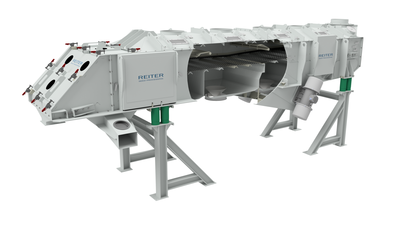
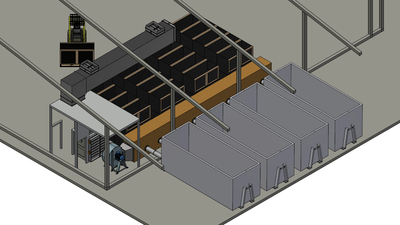
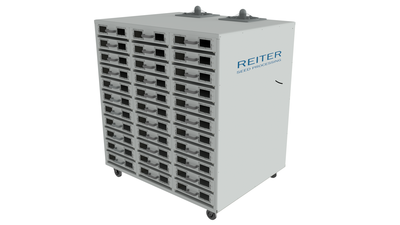
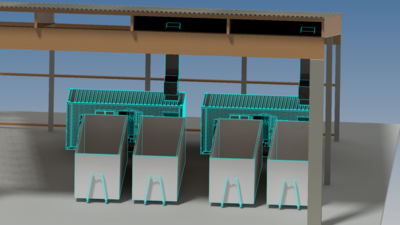
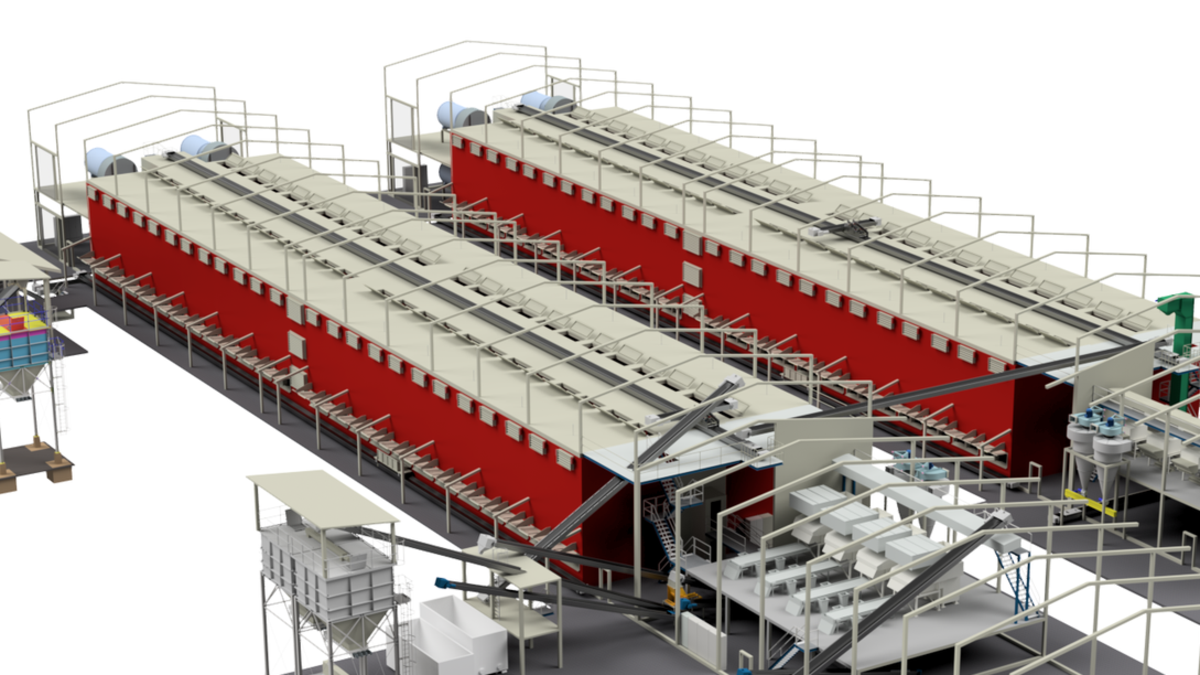
The systems are built from individual modular drying boxes. Number, size and arrangement of the boxes are designed according to harvest capacity, required daily capacity, building layout and process flow.
- different box sizes
- modular expandability
- stable profiled box walls
- inclined drying floor with perforated plate cover
- automatic inlet and outlet flaps
- automatic air flaps for hot air and exhaust air
- product temperature measurement
- exhaust air temperature measurement
- differential pressure monitoring between upper and lower box section
- maintenance access below the drying floor
Drying concepts
Depending on the plant concept, single-pass or double-pass systems can be implemented.
Single-pass drying
In single-pass drying, the drying air is guided through one box or product layer and then discharged. Depending on the process, air flow can be from top to bottom or from bottom to top.
This configuration is particularly suitable for systems where each box is controlled and regulated individually.
Double-pass drying
In double-pass drying, the air flow is arranged so that the drying air passes through several product zones or boxes. This can improve energy utilization and increase overall drying efficiency.
The specific concept is selected based on capacity, energy demand, building geometry, control concept and desired process operation.
Hot air, ventilation and air distribution
The hot air supply is designed project-specifically. Depending on location and available energy sources, different heating systems can be used, such as direct gas heating, indirect hot air generation or alternative heating concepts.
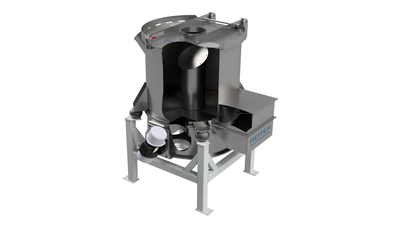
High-performance fans provide the required air volume and pressure. Automatic air flaps control hot air and exhaust air flows, prevent backflow and enable different operating modes.
- hot air generators or direct air heaters
- high-performance fans
- fresh air flaps
- hot air ducts
- automatic air flaps
- exhaust air sections
- non-return flaps
- temperature and pressure sensors
- frequency control of fans
Automation and process control
A central control system is essential for reproducible drying results. Modern corn cob drying systems are equipped with PLC control, process visualization, sensors and remote service.
- hot air temperature
- exhaust air temperature
- product temperature
- differential pressure
- air flap position
- fan operation
- heating capacity
- drying time
- operating status of each drying box
From dryer to complete seed corn processing plant
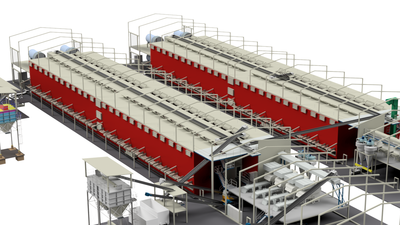
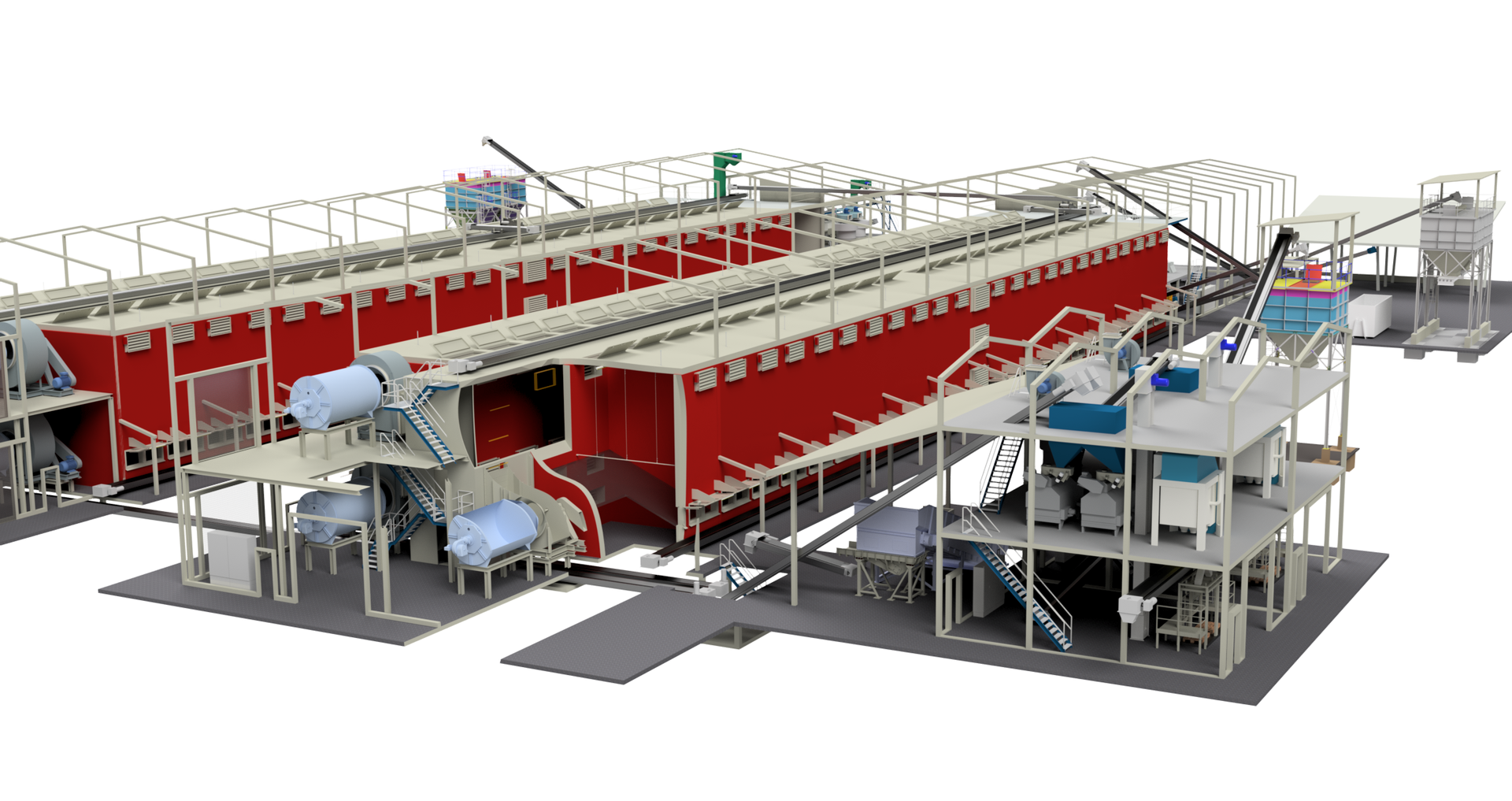
We plan and supply project-specific corn cob drying systems and complete seed corn processing plants – from intake, husking, drying, shelling, cleaning and sorting through to filling and packaging. Drying boxes, hot air distribution, conveying technology, heating systems, fans, sensors and control technology are combined into one coordinated complete system.
- corn cob intake
- husking
- conveying and distribution
- drying
- discharge of drying boxes
- shelling
- cleaning and sorting
- optical sorting
- seed treating or further seed processing
- packaging and filling
Project planning and design
Corn cob drying systems are designed individually. The basis for planning includes product data, harvest quantities, moisture values, required drying time, target moisture and existing or planned buildings.
- annual and daily capacity
- moisture range at intake
- required final moisture
- drying temperature
- box volume and bed depth
- air volume per box
- pressure loss of the product bed
- heating capacity and energy source
- fan capacity
- building and air duct concept
- automation and sensors
- future expandability