

Precise separation by kernel length
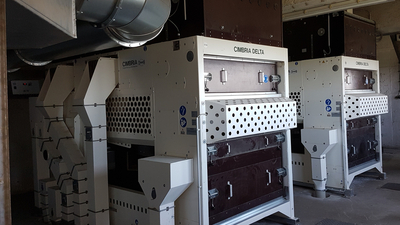
Together with screen cleaners, indented cylinder separators form an essential part of many processing lines. While screen cleaners separate by kernel size, indented cylinders separate specifically by kernel length. Typical applications include the removal of brokens and round seeds from grain, the separation of wild oats from grain or the separation of wheat from barley.
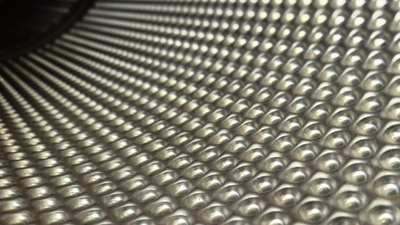
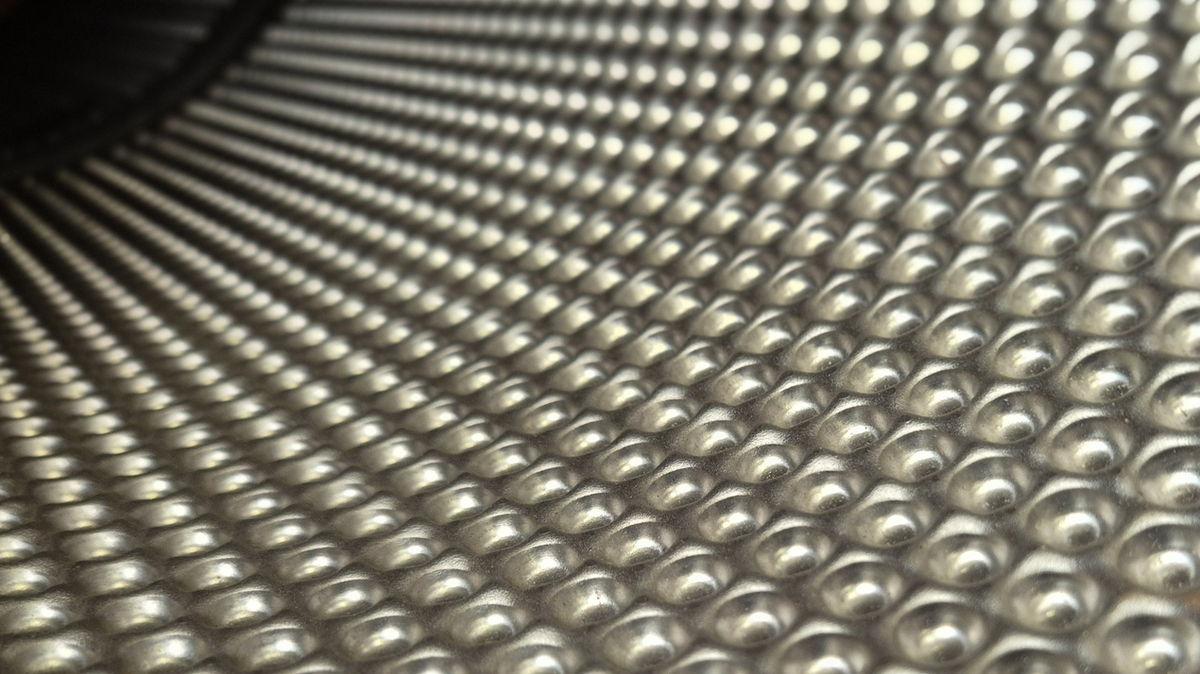
The raw product is fed into a rotating cylinder equipped with special indents or pocket-shaped cells. Kernels that fit into these pockets are lifted by the rotation of the cylinder and fall after an adjustable distance into an internal trough. Longer kernels do not fully fit into the pockets, fall out earlier and remain inside the cylinder until they are discharged separately.
Round and Long Grain Cylinders
Round grain cylinders are used to remove brokens, round seeds, or short foreign particles from the main product. The short waste is discharged as trough product, while the longer, prime product is discharged through the shell outlet.
Examples:
- removal of brokens
- wheat from barley
- rumex from red clover
- round seeds or short contaminants from seed
Long grain cylinders are used to separate longer impurities. Pockets lift the main product into the trough while longer, unwanted particles stay inside the mantle and are discharged separately.
Examples:
- removal of wild oats from grain
- barley from wheat
- sticks from seeds
Sizes for capacities up to 16 t/h
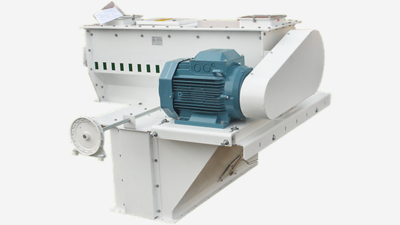
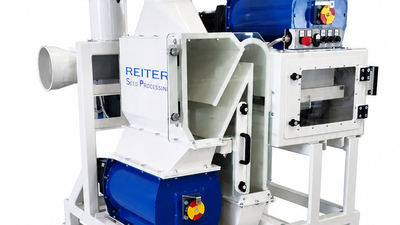
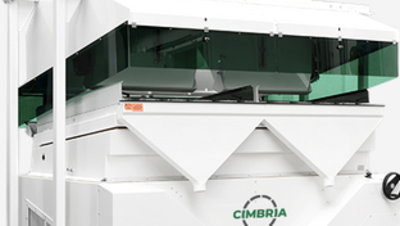
Indented cylinder separators are available in different sizes and configurations – from lab machines to industrial units for high capacities of up to approx. 16 t/h in wheat. Thanks to their modular design they can be set up, for example, individually for round grain sorting or 1 over 1 for round and long grain separation.
- 10 sizes
- cylinders with Ø x length: 400 x 1.000 mm to 900 x 4.000 mm
- cell sizes: 1,0 - 28,0 mm
- capacity in wheat: 1,0 - 16,0 t/h
- motors: 0,37 - 4,0 kW
- aspiration air requirements: 360 - 720 m³/h
- inlet
- rotating cylinder with deep-drawn pockets
- teardrop or spherical-shaped pockets
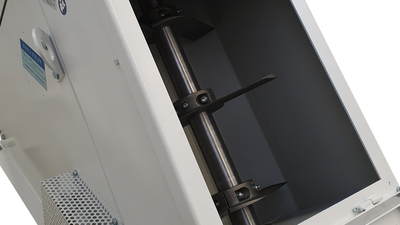
- internal trough, manually adjustable
- separate outlets for short and long fraction
- aspiration spout for low-dust operation
Depending on the execution, various options are available to adapt the machine to different products and process requirements:
- stepless adjustable cylinder inclination
- agitator
- wear-resistant lining
- frequeny inverter for variable speed
- automatic trough adjustment
- food-safe design